Beyond Aesthetics: Finding Sustainable Neighborhoods in Madison
From a distance, Madison, Wisconsin, reads as a pleasant college town on a lake. But spend a little time here walking the Capitol Square on a Saturday morning, biking the lakeshore path at dusk, or picking up a CSA box from a farm a few miles north, and something else comes into focus. A city that has built a genuinely sustainable way of life, not as a trend, but as a decades-long expression of its values.
It shows up in the farmers’ markets, the bike infrastructure, the community-owned grocery stores, the neighborhood gardens, and the historic homes thoughtfully retrofitted for energy efficiency. It shows up in the way residents move through their days: on foot, on bike, in connection with one another.
For buyers considering a move to Madison, one of the most important early questions is also one of the most exciting: which neighborhood?
Each of Madison's neighborhoods offers a different relationship to the qualities that make the city remarkable. Some are dense and walkable, anchored by co-ops and cafes. Others sit closer to lakes and trails, where the pace quiets and nature comes forward. Still others offer something rarer—space, affordability, and an emerging urban agriculture ecosystem that feels genuinely rooted in the land.
Here's how we think about Madison's neighborhoods for people drawn to sustainable, community-oriented living.
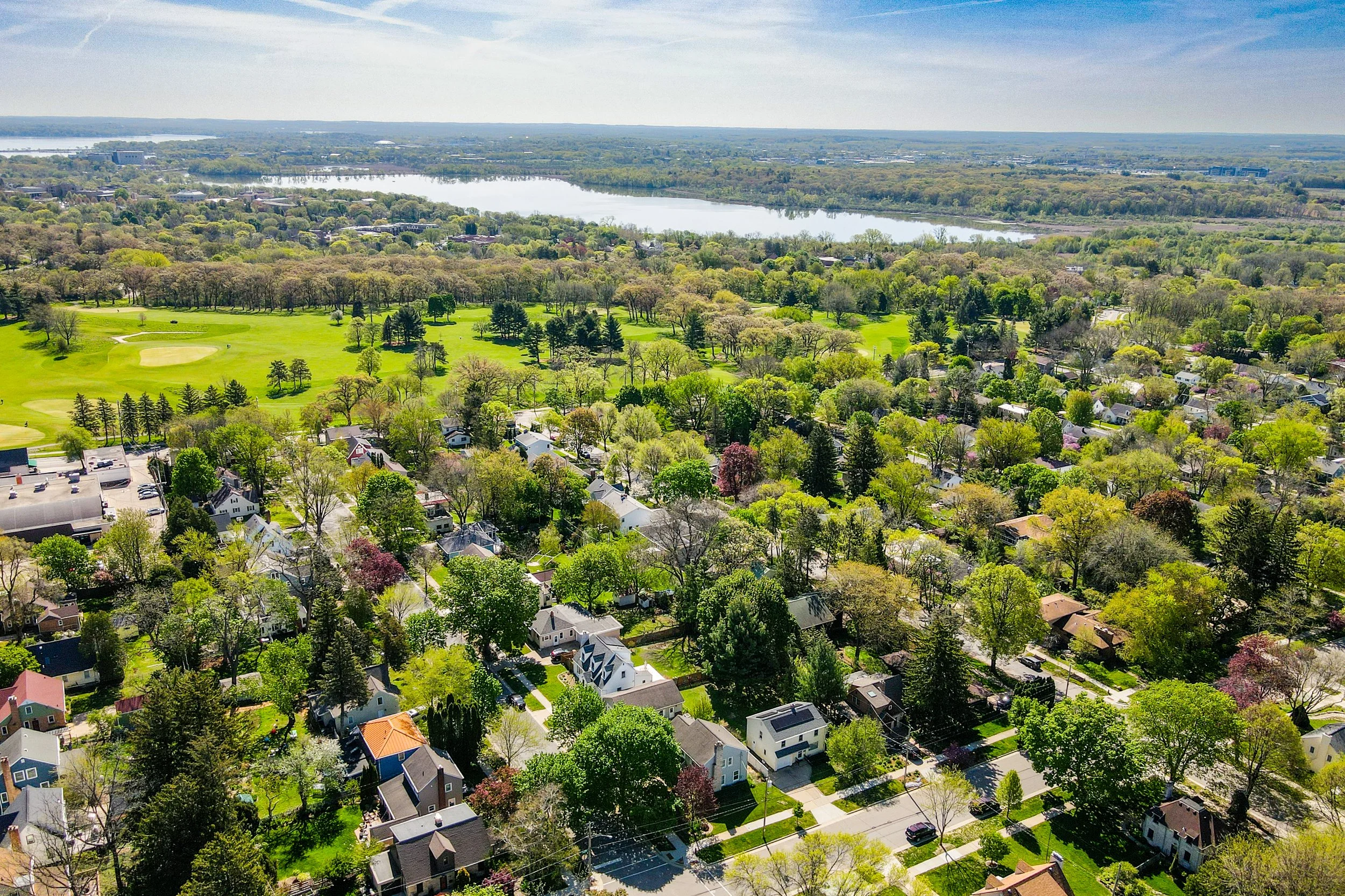
Madison's neighborhoods are defined by their connection to nature, from lakes and parks to tree-lined streets and extensive green space.
Marquette (Willy Street): Madison's Most Iconic Community-Driven Neighborhood
There is perhaps no neighborhood in Madison more closely associated with community, local food, and intentional living than Marquette, known almost universally as "Willy Street."
Located just east of downtown, the neighborhood centers on Williamson Street, a lively corridor of locally owned businesses, cafes, restaurants, and shops that has defined this stretch of the city for generations. The Willy Street Co-op, a cornerstone of Madison's local food culture, anchors it all.
From here, residents can bike to the Capitol Square in minutes, walk to the lakefront, and find themselves embedded in a neighborhood that takes its role as a community seriously. The festival calendar alone says something about the culture here: Yahara Fest, Fête de Marquette, the Willy Street Fair, and Orton Park Fest all draw the neighborhood together across the warmer months—the kind of recurring gatherings that build the social fabric of a place over years and decades.
Lake Monona lies just to the south, and the Yahara River and Yahara Park add another dimension of natural access: quiet water, green space, and the kind of daily proximity to nature that shapes how people move through their lives.
For people who want walkability, local food access, and a neighborhood with genuine character and history, Willy Street remains one of Madison's most compelling choices.
Atwood: Creative, Lakeside, and Deeply Local
Just east of Marquette, the Atwood neighborhood carries a similar spirit in a slightly quieter key.
The Atwood Avenue corridor is lined with coffee shops, music venues, restaurants, and the kind of small businesses that tend to reflect the values of the people who run them. Each summer, Atwood Fest brings the neighborhood together around live music and local food—the kind of event that happens organically in places where people actually know each other.
Sustainability and daily life are well integrated here. Easy bike access connects residents to downtown and the broader city. Community gardens and green spaces are woven into the neighborhood fabric. Olbrich Park and the Olbrich Botanical Gardens sit just minutes away, offering beautiful walking paths and lake views that invite a more unhurried relationship with the day.
Just behind Olbrich, Garver Feed Mill adds another layer to the neighborhood's character. A beautifully restored historic structure, it's home to the Winter Farmers Market (keeping residents connected to local food long after the outdoor market season ends) as well as concerts, events, and Ian's Pizza, a Madison institution. It's the kind of anchor that makes a neighborhood feel genuinely alive across all four seasons.
For buyers who want a creative, community-oriented neighborhood with strong local character and access to nature, Atwood is worth a close look.
The Northside: Space, Affordability, and a Deep Connection to Land
Madison's Northside is easy to overlook in standard neighborhood guides. It doesn't have the same density or walkability score as the isthmus neighborhoods. But for a particular kind of buyer drawn to urban agriculture, food sovereignty, and genuine proximity to wild natural spaces, it offers something the other neighborhoods simply can't.
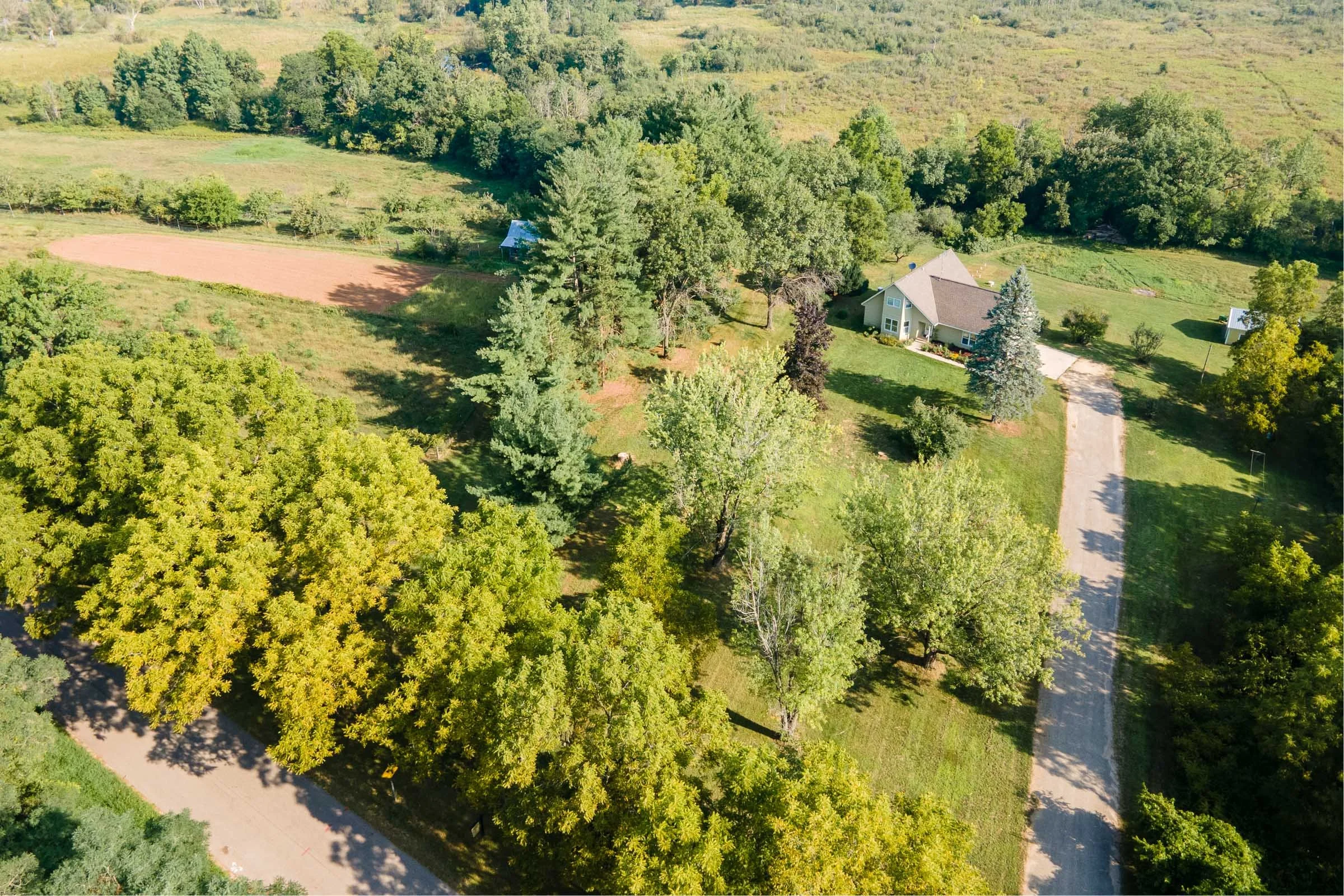
The rhythm here is different. Lots are larger. Home prices are more attainable. The pace is quieter, more spread out, more grounded.
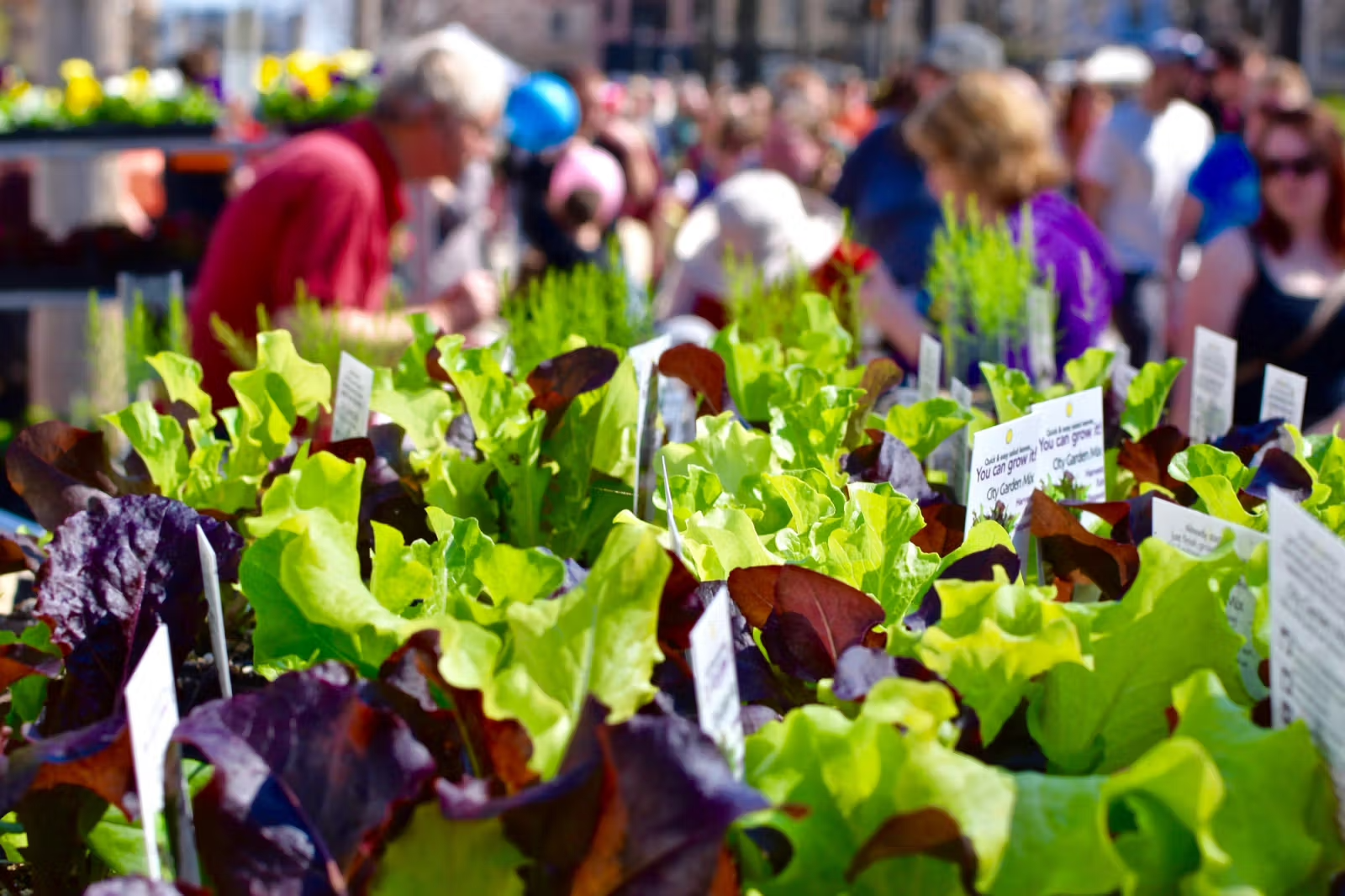
What makes the Northside genuinely distinctive is the ecosystem of land and food that surrounds it. Cherokee Marsh, Warner Park, Lake View Woods, and Warner Beach give residents immediate access to expansive natural areas: wetlands, prairies, and forested shoreline that feel far removed from the urban grid just a short distance south. A Sunday farmers market anchors the warm months, creating a weekly gathering point that draws the neighborhood together around local food.
The Willy Street Co-op's Northside location reinforces strong food access year-round. And a remarkable network of urban farms, such as Troy Gardens, Rooted, Voss Organics, and Dirty Girl Farm, makes this one of the most active urban agriculture corridors in the region. These are not peripheral operations. They are working farms embedded in a neighborhood, growing food and building community simultaneously.
For buyers seeking room to grow, meaningful engagement with land and food systems, and a lifestyle that feels genuinely rooted, the Northside deserves far more attention than it typically receives.
Downtown Madison / Capitol Square: Walkability at the Center of It All
For buyers seeking the most walkable lifestyle in Madison, Downtown and the Capitol Square offer something hard to replicate anywhere else in the city.
From here, residents can walk to the Dane County Farmers' Market—one of the largest and most celebrated producer-only markets in the United States—as well as to restaurants like L'Etoile and Graze, lakeshore paths, cafes, bookstores, and galleries. Nearly every dimension of Madison's cultural and food life is within reach.
For many residents, living downtown allows for car-light or genuinely car-free living, which is a meaningful quality for people trying to reduce their environmental footprint without sacrificing access to the city's best offerings.
It's a rare combination: urban density in a city that still feels human-scaled, surrounded by lakes and connected to a regional food system that most cities only aspire to.
Near West Side / Nakoma: Tree-Lined Streets and Classic Madison Charm
The Near West Side, including neighborhoods like Nakoma, offers a quieter version of Madison's sustainable lifestyle, one defined more by mature trees, historic homes, and proximity to some of the city's most remarkable natural landscapes.
Monroe Street, a charming commercial corridor nearby, is lined with bakeries, cafes, and local shops that give the area a neighborhood feel without requiring residents to travel far for daily needs. The University of Wisconsin campus also sits close at hand.
Most significantly, the Near West Side borders the University of Wisconsin Arboretum—a 1,200-acre ecological restoration landscape with miles of trails, restored prairies, and diverse plant communities.
For residents who find restoration and connection to the natural world important, having that depth of wild land as a neighbor shapes the experience of daily life in ways that are difficult to quantify.
Hilldale / Midvale: Walkable Convenience with Green Space Close By
The Hilldale area has quietly become a strong option for those seeking everyday walkability alongside residential comfort.
Centered around Hilldale Shopping Center, the neighborhood offers easy access to groceries, restaurants, and the kinds of services that reduce the friction of daily life. Strong bike path connections extend that access further, making car-light living practical even without downtown density. Nearby parks and green spaces round out a neighborhood that balances convenience and livability.
For buyers seeking a quieter entry point into Madison's walkable neighborhoods, without sacrificing access or green space, Hilldale offers a practical and underrated alternative to the city's more prominent corridors.
Middleton Hills: A Neighborhood Designed Around Sustainability
Just west of Madison proper, Middleton Hills stands apart as one of the region's most deliberately designed communities.
Built on New Urbanist planning principles, the neighborhood puts walkability, mixed-use spaces, and community gathering areas at the center of its design, not as afterthoughts, but as organizing values. Streets are built to encourage foot traffic. Public spaces invite gathering. The environmental footprint of daily life is smaller by design.
Pheasant Branch Conservancy, a protected prairie and wetland landscape, sits just nearby, offering residents access to a genuinely beautiful natural area that changes with the seasons.
For buyers who want to live in a community that has already done much of the work of sustainable design, Middleton Hills is worth exploring.
Shorewood Hills: Quiet Lake Living Near the City
Shorewood Hills offers something different from most of Madison's neighborhoods: the quietude of a lakeside residential enclave, just minutes from the energy of the city.
Situated along Lake Mendota, the neighborhood brings residents close to water in a way that shapes everyday life. Lakefront parks, beaches, kayaking, and sailing are practically at the doorstep. Wooded walking trails and mature, canopied streets create a calm that is rare this close to an urban center.
For buyers drawn to lakes, trees, and a pace of life that allows for genuine rest and renewal, Shorewood Hills occupies a distinct place in the Madison landscape.
How to Choose
Madison's neighborhoods share a commitment to community, walkability, and connection to nature, but they express those values differently, and the best fit depends on the life you're trying to build.
If your priority is walkability and local food access, the neighborhoods along the isthmus, such as Marquette (Willy Street), Atwood, and Downtown, offer the most immediate daily connection to Madison's food and cultural life.
If you're drawn to lakes, trails, and ecological landscapes, Shorewood Hills, the Near West Side, and the Northside each offer proximity to different kinds of natural richness, from Lake Mendota's shoreline to the Arboretum's restored prairies to the wetlands and marshes of the city's north edge.
If urban agriculture, food sovereignty, and space call to you, the Northside stands apart—a neighborhood where the urban farm network is dense, home prices are more attainable, and wild natural areas begin almost at the edge of the block.
And if you want a community designed from the ground up around sustainable principles, Middleton Hills offers an infrastructure that most neighborhoods have to work backward to create.
One of the reasons Madison continues to attract people seeking a different way of living is that it offers all these possibilities within a single, navigable city. The question is simply which rhythm fits yours.
Thinking About Madison?
At Latitude, we work with buyers who are choosing where to live with real intention. People for whom a neighborhood isn't just a location, but a reflection of the values they want to build their daily life around.
If you're exploring what living in Madison could look like, we'd love to be part of that conversation.
Related reading:
→ Why Madison, Wisconsin, Is One of the Best Places to Live Right Now